
Your Attic Experts.
categories
SHARE
As your energy bills increase, it becomes much more of a priority to make your home more efficient by adding insulation to your attic. Your attic may not be properly insulated or has old and deteriorating insulation that may be costing you thousands of dollars. Renewing the insulation in your attic is a great idea but there are a few important factors to consider.
Your home consists of many different zones in terms of insulation needs. What goes in the basement may not work properly in the attic. There are two different products that are ideal for attic insulation:
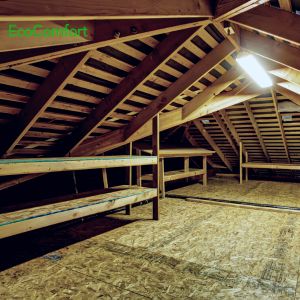 Spray foam insulation material is made up partially of plastics which are negative on the environment. Spray foam insulation can also only be installed under the right conditions for proper coverage and can be complicated to complete the project.
The attic in your home can easily cause increased energy consumption and choosing the right insulation product is critical for maintaining comfort and efficiency. Blown-in cellulose insulation is the best option for insulating your home effectively, economically, and with the smallest impact on the environment.
The most important number to consider when it comes to adding insulation to your attic is it's R-Value, which represents it's resistance to heat. The higher the R-Value, the greater resistance to heat and more efficient the product is. Geographic areas with colder climates use heating equipment more frequently and higher R-Value insulation is needed to be more effective. The attic in your home can be more problematic as they are notorious for leaks and cracks and are known as a major cause of increased energy bills. Insulation in your attic should be of a higher value and in colder climates, R-49 is the common rating used which provides 16 to 18 inches of insulative material. That being said, it is the recommended R-Value for attics in Canada. On the other hand, southern climates can go as low as R-38 to maintain efficiency which provides a 13 to 14 inch insulative wall. When looking for attic insulation, always consider the R-Value to ensure you are installing the proper material that will get the job done.
There is no doubt that insulation is a big job to be done in your home but if installed properly with quality and appropriate materials, the energy savings alone would make it worth the cost of installation. Generally speaking, insulation could last 15 to 20 years before it starts sagging and losing shape - reducing effectiveness. Factors such as moisture, mould and dust can greatly reduce the functionality of your home’s insulation and may actually be reducing air quality as it breaks down. Leaks in basement foundations and attics can also ruin entire panels of insulation with just a few drops of water.
Maximizing energy consumption in your home is an uphill battle as there are many opportunities for hot or cooled air to escape causing your HVAC equipment to work that much harder to maintain the desired temperature. Areas such as basements and attics can directly affect how energy efficient your home is and even minor cracks can waste hundreds if not thousands of dollars in excess energy spending. This is where home insulation comes in to help with your home’s efficiency.
Properly installed and rated insulation material will create a barrier between the outside and the inside keeping warm or cooled air inside the home. This will require less work from your home’s HVAC systems. Key areas around your home such as the basement and especially the attic could be draining your wallet with increased energy consumption. Adding insulation to your attic is the most reliable way to prevent air losses from the top of your home and to reduce the workload on your furnace and air conditioner. There are two ways to save money when upgrading and installing the latest insulation products in your attic:
In certain situations, you can save 10% to 50% off your energy bills when you fully insulate your attic with blown-in cellulose insulation. Not only will this insulation save you money but it will also help the environment by reducing energy consumption and your home’s carbon footprint. Cellulose insulation is made from recycled paper products which also saves space in landfills, ultimately helping the environment.
When you decide it is time to replace or upgrade your current insulation material, it makes sense to start with a complete insulation by removing all old and existing insulation material.
The best times of the year for upgrading or adding insulation to your attic are definitely before the peak of any season. You will see energy saving benefits in both the winter and summer seasons. Ideally, you should schedule your project in spring or fall so that your home is properly sealed for the extreme sides of the seasons. Other factors to consider are:
Residential home insulation generally has a long lifespan, but it does not last forever and insulation material can experience wear and tear as time goes on. Here are some signs that it might be time to upgrade your home’s insulation:
Make sure to keep accurate records, invoices and paperwork whenever you are upgrading or are adding insulation to your attic.
Tackling any insulation project for your attic is a multistep process that must be completed thoroughly to enjoy the benefits of attic insulation. Certified professionals with residential experience understand how to safely remove old insulation material and will perform detailed inspections and assessments during the project. Trained crews will have all the proper equipment and safety gear to ensure a smooth and complete insulation project. Installation experts can also spot potential problems along the way and offer solutions to correct any insulation and air flow related issues. You can expect reduced stress and complete satisfaction when hiring a professional team for your attic insulation project.
Renovations can be an exciting way to enhance your home but there is only one home improvement project that offers the best return on investment in both resale value and immediate operational savings. Installing high performance insulation in your attic is the fastest way to see real savings off your monthly energy bills. Properly installed insulation will prevent heat from escaping in the winter months and entering during the summer months, reducing the workload for your HVAC system. Less work means less energy consumption and lower utility bills. Homes with recently upgraded or installed insulation can also ask for higher prices when put on the market.
Using a trained and experienced installer for your insulation project is the best decision you can make to get the job done right the first time. Professional crews will have the best insulation products and the latest equipment to ensure a complete installation job that you can depend on. Upgrading or replacing your home’s insulation makes financial sense as well as you can save anywhere from 10-50% on your home energy spending once the project is complete. The savings over 10 or 20 years will far outweigh the initial investment. Other benefits of new and upgraded insulation:
There is a lot to consider when thinking about upgrading or adding insulation to your attic but you can always rely on the trained professionals at EcoComfort for all your residential insulation needs. Our crews have extensive experience when it comes to residential insulation. You can count on our expertise for the most thorough and complete insulation job in your home. We use insulation products that conform to strict government standards and have minimal impacts on the environment. Our highly trained crews are there every step of the way. From removing old material safely to inspections to installing your chosen insulation product, we will make sure you are completely satisfied with the job. If you feel there are uneven spots in your home or are just unsure of the status of your attic insulation, contact us today for an in-home assessment. Call us at 416-333-4554 or visit our website for more information.

Book an Attic Inspection Today by Calling 416-333-4554.
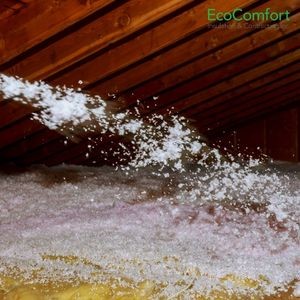
Why Homeowners Should Consider Attic Insulation Removal in the Spring?
Spring tends to be a transitional season when it comes to Canadian weather. With constant temperature changes and increased precipitation, homeowners rely heavily on attic insulation to keep their...
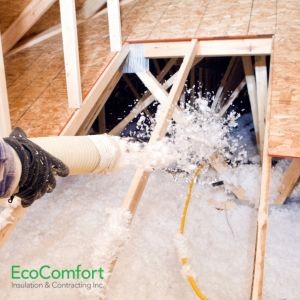
Why Improve the Air Tightness of Your Attic
When addressing issues like drafts and rising energy bills, many homeowners may not realize how much their attic can impact their entire home’s comfort and efficiency. Poor attic ventilation and...
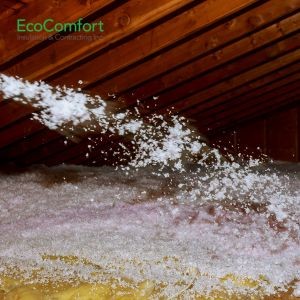
Signs Your Attic Insulation Has Settled
When attic insulation settles and flattens, its performance starts to decline pretty quickly. As a result, you may experience challenges and signs when inside your home. Under-performing or damaged...