
Your Attic Experts.
categories
SHARE
If you're considering upgrades to your attic insulation, there are several important questions to ask. In addressing these questions, you'll make better decisions as to product options and even installation options.
Probably the most important consideration when installing attic insulation in Toronto is to work with a team of professionals. This is not the right time to cut corners with a cheap product or opt for a DIY approach.
Upgrading attic insulation will substantially reduce heating, and air conditioning costs all year. So it’s worth doing right – with quality products and a professional installation. And answering a few questions will help.
Simply put, blown-in cellulose insulation provides an excellent barrier that resists air leakage. With proper air sealing and appropriate ventilation, the blown-in insulation effectively blocks air leaks throughout the attic and roof cavity. Many professionals agree that densely packed blown-in cellulose does a better job than fibreglass. The overall benefits of blown-in cellulose make the installation worthwhile – it’s thermally efficient, enhances indoor comfort, and is cost-effective.
Blown-in cellulose insulation will typically last about 20 years (and even up to 30). While many factors will affect lifespan, the key to longevity is a professional installation. With a professional on hand, homeowners are assured of a comprehensive installation that includes high-quality products, effective air sealing throughout, and ventilation to ensure proper airflow. With optimal conditions like these, installers ensure maximum performance and longevity.
Many homeowners prefer blown-in cellulose insulation because of the high content of recycled materials. It’s generally made using a high proportion of recycled paper and therefore considered eco-friendly. The material is also treated with boric acid so that the installation is flame resistant, pest resistant and mould resistant. All of these product features are ideal for a space like an attic. All things considered, insulation professionals consider the product to be the best option in attics.
Blown-in cellulose insulation has been established as safe. Independent industry tests confirm that the cellulose product meets all required building codes. In fact, many professional insulation contractors maintain that cellulose is more fire-safe than fibreglass. The point is that cellulose fibres are much more tightly packed, therefore preventing “combustion air" from feeding a fire and therefore preventing the spread of a fire. Understandably this is advantageous in the attic.
Although a DIY installation is tempting for some homeowners, it cannot compare with the work performed by an expert. Professional insulation contractors have the tools, experience, and expertise to deliver long-term results. Companies like EcoComfort Insulation and Contracting provide an installation that is all-inclusive, from the required repairs and retrofits to final installation. Most importantly, EcoComfort guarantees all installed products as well as the installation work.
At EcoComfort, we highly recommend blown-in insulation for the attic and roof cavity. In fact, we also recommend the product when "topping up" existing insulation.
For more information, send us a message or contact one of our insulation professionals at 416-333-4554.
Book an Attic Inspection Today by Calling 416-333-4554.
Why Is One Room Still Cold After You Upgrade Your Attic Insulation?
If one room stays cold after an attic insulation upgrade, the insulation itself may not be the problem. That room could have air leaks, poor duct airflow, an under-insulated section, or exterior walls...
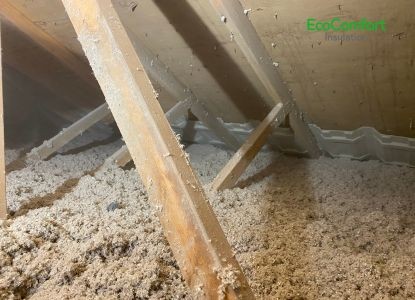
Why Does Attic Insulation Get Wet and What Should You Do About It?
Wet attic insulation usually means moisture is entering the attic from a roof leak, condensation, indoor air leakage, or improperly vented exhaust. The first priority is finding that source rather...
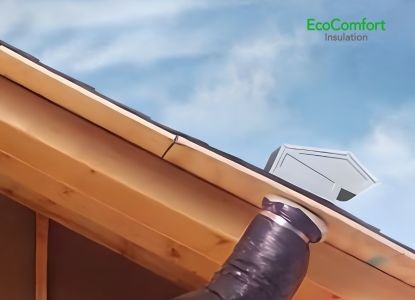
What Is the Best Way to Vent Your Attic
The best way to vent your attic is to create balanced airflow, with intake vents bringing outdoor air into the lower part of the roof and exhaust vents allowing warm, humid air to leave higher up. The...