
Your Attic Experts.
categories
SHARE
Every so often, it’s recommended that you hire a professional to complete an attic inspection on your property, as there are several factors in the space that act as potential fire hazards. The most common cause of attic fires are faulty or damaged electrical wiring, followed by heating units and lightning strikes. Although a less frequent cause of fires, old attic insulation can still pose a serious fire hazard. When ignited, there are some types of insulation foams that will produce intense heat and burn more rapidly than others, while some result in the spread of toxic gasses and aggressive smoke.
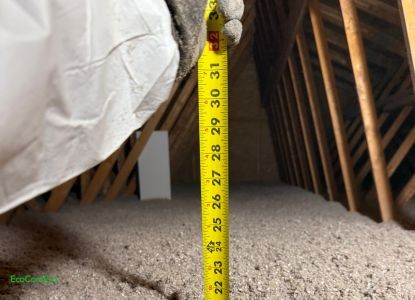
At EcoComfort, we highly suggest upgrading your old attic insulation to blown-in cellulose attic insulation, a product that has undergone chemical treatment to become fire resistant. Fire demonstration shows that the insulation is 50% more resistant than others, thanks to its limited oxygen availability that prohibits a fire from spreading.
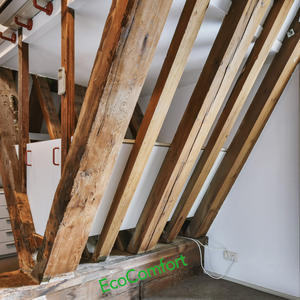 Insulation foams such as polyisocyanurate and polyurethane will produce intense heat and burn quickly when ignited. Aging insulating materials may also contribute to the growth of a blaze while releasing toxic gas and smoke into the air. How much insulation is in your attic can also be a significant factor in a fire’s growth. Additionally, it’s worth mentioning that your insulation can easily catch fire if there is paper facing on it.
If you’re concerned about the insulation materials in your attic, our in-depth attic inspection service at EcoComfort will assess the conditions of your attic and insulating materials to determine if upgrading to blown-in cellulose attic insulation is necessary. Our recommended options are designed to not only improve insulation performance, but energy efficiency and safety as well.
If your home is around 20 years old or older and you haven’t already gotten an attic inspection completed, it’s very important that you book one through EcoComfort as soon as possible. There are many avoidable causes of fires that can be detected before disaster with an attic inspection. One cause is pest infestations, where mice, birds, or other pests may chew through electrical wiring and expose a wire, increasing the risk of igniting a fire.
Furnaces operating within the attic can lend themselves to the ignition of a fire. Your cooling, heating and ventilation machine is more susceptible to catching fire when temperatures soar in the summertime. With high performance blown-in cellulose insulation you will have to rely less on internal heating or cooling mechanisms to maintain the temperature, reducing the opportunity for fires.
Blown-in cellulose attic insulation guarantees the prevention of an attic fire from spreading should one ignite from any of the issues above. The material does not contain any toxic chemicals, as well as formaldehyde or asbestos. Additionally, the product is treated with boric acid to aid with mould resistance and insect repellency.
At EcoComfort, blown-in cellulose attic insulation is our go-to insulation that we recommend for best protecting your attic. In addition to its fire resistance, the material also has a high thermal performance and effective coverage that covers hard to reach spaces. It’s also the most cost-efficient option, as less time and manpower is required when professionally installed.
Book an Attic Inspection Today by Calling 416-333-4554.
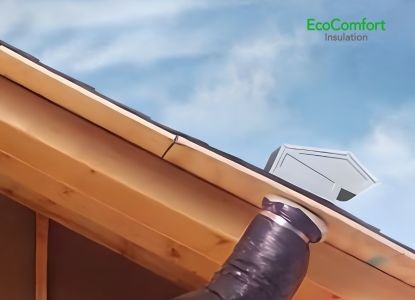
What Is the Best Way to Vent Your Attic
The best way to vent your attic is to create balanced airflow, with intake vents bringing outdoor air into the lower part of the roof and exhaust vents allowing warm, humid air to leave higher up. The...
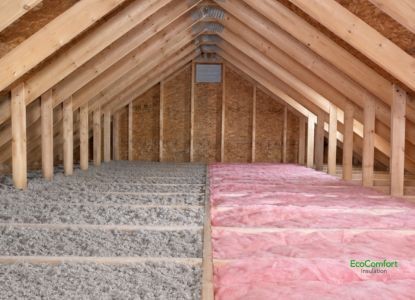
Cellulose vs. Batt Insulation: Which Is Better for a Toronto Attic?
When homeowners compare cellulose attic insulation Toronto install against traditional batt insulation, cellulose is usually the stronger fit for older homes or irregular attics, since it's blown...
Benefits of No Audit Energy Rebate for Attic Insulation
Upgrading attic insulation with regional rebate programs is often assumed to require an energy audit first. Still, the Home Renovations Savings Rebate, an Ontario rebate program available to Enbridge...