
Your Attic Experts.
categories
SHARE
Insulation is an invaluable addition to homes, especially in the attic, as it can help minimize energy waste and utility costs and improve your comfort at home. But when old insulation becomes compromised by water damage, mould, pests, or other contaminants, it can quickly cause air quality to deteriorate. Investing in new, high-quality, and sustainable blown-in insulation in Mississauga can help restore and maintain your home’s indoor air quality. At EcoComfort, your investment in attic insulation costs can help you save in the long term and enjoy a better, healthier experience in your home.
Here are some of the ways the blown-in cellulose insulation supports your indoor air quality in Mississauga.
 When air is able to pass freely between the attic and your living space, it can carry allergens, dust, mould spores, and outdoor contaminants with it. Old or insufficient insulation often leaves gaps and spaces for this unfiltered air to enter. Blown-in insulation in Mississauga installed by the attic experts at EcoComfort helps fill these gaps tightly and evenly, reducing air infiltration and minimizing the amount of outdoor pollutants that can affect your indoor air.
Moisture is a leading contributor to poor indoor air quality. When insulation becomes damp from roof leaks or humidity, it quickly creates the ideal conditions for mould growth. Mould spores can then enter your home through your HVAC system or vents, aggravating allergies and causing respiratory concerns. Blown-in cellulose insulation is treated with a natural mould inhibitor, making it more resistant to growth than older fibreglass options. When properly installed, it also helps regulate moisture buildup in the attic, which is essential for mould prevention. If you have mould in your attic, contact the EcoComfort team. Our specialists will assess the infestation during an attic inspection and can provide you with reliable attic mould remediation services.
Another benefit of cellulose blown-in insulation in Mississauga is that it does not release as many airborne fibres or particles once installed. Over time, old fibreglass batts can break down and send irritants into the air. Cellulose insulation is dense and settles into place, minimizing the circulation of dust and microscopic debris throughout the home. This supports cleaner air in your living space, especially for any of your loved ones with allergies or asthma.
When a home is well-insulated, there are fewer temperature fluctuations, which allows your HVAC system to operate more efficiently. Consistent airflow and reduced cycling of heating and cooling systems also mean less dust movement and fewer air contaminants. Blown-in insulation in Mississauga supports better thermal performance and air regulation, which contributes to healthier air quality overall.
While upfront attic insulation costs can vary, the benefits of cellulose insulation extend far beyond energy savings. By improving air quality, reducing allergens, and lowering the risk of mould, the long-term health and comfort advantages are significant. Homeowners who invest in quality insulation often report fewer air quality issues and greater comfort throughout seasonal changes.
At EcoComfort, we are committed to providing high-quality services as well as fast and reliable installation to help you live more comfortably at home.

Book an Attic Inspection Today by Calling 416-333-4554.
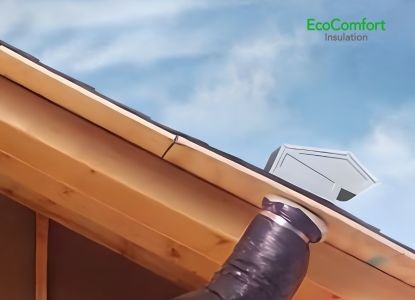
What Is the Best Way to Vent Your Attic
The best way to vent your attic is to create balanced airflow, with intake vents bringing outdoor air into the lower part of the roof and exhaust vents allowing warm, humid air to leave higher up. The...
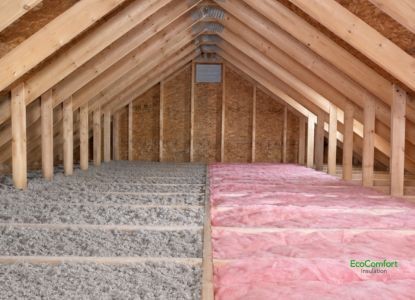
Cellulose vs. Batt Insulation: Which Is Better for a Toronto Attic?
When homeowners compare cellulose attic insulation Toronto install against traditional batt insulation, cellulose is usually the stronger fit for older homes or irregular attics, since it's blown...
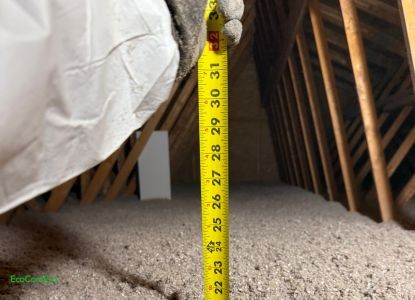
Benefits of No Audit Energy Rebate for Attic Insulation
Upgrading attic insulation with regional rebate programs is often assumed to require an energy audit first. Still, the Home Renovations Savings Rebate, an Ontario rebate program available to Enbridge...