
Your Attic Experts.
categories
SHARE
Attic condensation may be turning into mould when dark or discoloured patches appear on roof sheathing, rafters, or insulation and are accompanied by persistent moisture or a musty odour. Condensation doesn’t automatically mean mould is present, but damp attic materials can create conditions that support its growth.
At EcoComfort, we provide professional attic mould remediation and attic inspections for Mississauga homeowners experiencing moisture-related concerns. Our local attic experts are experienced with attic mould, insulation removal, and blown-in cellulose insulation upgrades.
When you book an inspection with our team, you can count on us to provide a detailed assessment followed by meaningful upgrades and recommendations to improve your home’s energy efficiency and reduce unnecessary utility costs.
Condensation develops when warm, moisture-carrying air meets a cold attic surface. During a Mississauga winter, you may notice frost on roofing nails, rafters, or the underside of the roof deck. As temperatures rise, that frost can melt and leave water droplets, stains, or damp insulation.
Even occasional moisture requires attention because the source may continue introducing humidity into the attic. Common contributors include:
Attic mould isn’t always easy to identify by appearance alone. Possible warning signs include:
Not every stain is mould. Different types of mould can also look similar to dirt, soot, or old water damage. Testing may be recommended in some situations to clarify what is present.
Wet insulation can settle, clump, and lose some of its ability to resist heat flow. If moisture damage is localized, only part of the material may be affected. More extensive condensation or mould growth may require insulation removal before remediation and repairs can proceed.
A professional assessment of attic insulation in Mississauga should consider more than the depth of the insulation or its R-value. Our attic experts assess ventilation, air sealing, roof conditions, exhaust ducts, and visible moisture patterns. This helps us identify why condensation developed and provide the insight you need to manage moisture and mould in your attic.
Cleaning a visible patch without correcting the moisture source may provide only a temporary result. Effective remediation begins by determining the extent of the mould growth and the conditions supporting it.
Depending on the findings, the process may involve:
Read our guide to learn more about what to do when mould is found in your attic insulation.
If attic condensation keeps returning or you see suspicious discolouration, contact EcoComfort. Our local team can inspect your attic, assess the insulation and ventilation, and recommend appropriate mould remediation or moisture-control improvements based on what we find.
If you’re also interested in upgrading your attic insulation, speak with our experienced installers about available Enbridge Energy rebates and how they may apply to your home’s insulation improvements.

Book an Attic Inspection Today by Calling 416-333-4554.
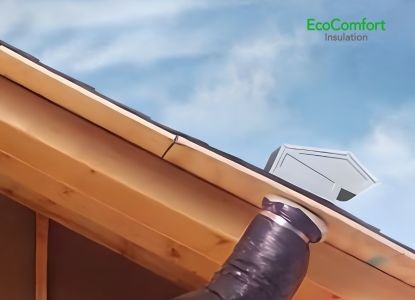
What Is the Best Way to Vent Your Attic
The best way to vent your attic is to create balanced airflow, with intake vents bringing outdoor air into the lower part of the roof and exhaust vents allowing warm, humid air to leave higher up. The...
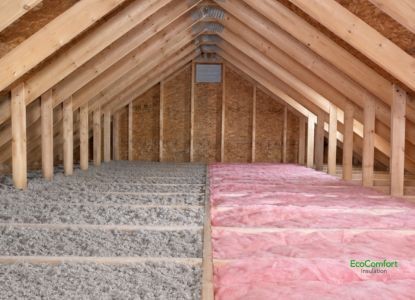
Cellulose vs. Batt Insulation: Which Is Better for a Toronto Attic?
When homeowners compare cellulose attic insulation Toronto install against traditional batt insulation, cellulose is usually the stronger fit for older homes or irregular attics, since it's blown...
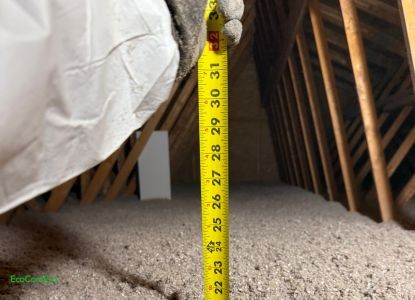
Benefits of No Audit Energy Rebate for Attic Insulation
Upgrading attic insulation with regional rebate programs is often assumed to require an energy audit first. Still, the Home Renovations Savings Rebate, an Ontario rebate program available to Enbridge...