
Your Attic Experts.
categories
SHARE
Bathroom exhaust fans are supposed to move warm, humid air outdoors, not into your attic. When bathroom air is vented into the attic, moisture can collect on roof sheathing, ducts, rafters, and attic insulation. Over time, this can reduce insulation performance, create musty odours, and contribute to mould growth in the attic and elsewhere in the home.
If you are noticing changes in your home’s energy efficiency or are considering an upgrade to your attic insulation in Oakville, contact EcoComfort to book an attic inspection. Our attic experts carefully assess moisture, ventilation, airflow, and attic conditions so the source of the problem is not missed.
A bathroom produces warm, humid air through showers, baths, and everyday use. If this air is released into the attic instead of being vented outdoors, it can meet cold attic surfaces and turn into condensation. In Oakville homes, this may be especially noticeable during colder months when warm indoor air reaches a cold roof deck.
Moisture and insulation do not work well together. Wet or damp insulation can settle, lose effectiveness, and make the attic less efficient. Even high-performing blown-in cellulose insulation needs suitable attic conditions to perform properly. If moisture keeps entering the attic, topping up the insulation alone may not solve the problem.
EcoComfort often recommends assessing insulation and ventilation together because your attic functions as a complete system. Our guide to why attic ventilation and insulation go hand in hand explains how both support comfort, energy efficiency, and moisture control.
Recognizing signs that bathroom moisture is entering your attic can help you take action before it causes long-term effects on insulation performance and energy efficiency. With support from EcoComfort, you can address attic ventilation, damaged insulation, mould concerns, and necessary upgrades.
Frost on roof sheathing, nails, ducts, or insulation can be a warning sign that warm, humid air is reaching cold attic surfaces. When the frost melts, moisture can drip into the insulation and surrounding materials.
If your insulation feels damp, looks flattened, or has dark patches below a bathroom area, moisture may be entering through a disconnected or improperly routed exhaust fan. This can affect both older insulation and newer installations of cellulose insulation in Oakville.
A musty smell near the bathroom, ceiling, or attic access can indicate trapped moisture. The odour may become more noticeable after showers or during winter when condensation problems worsen.
Brown staining, bubbling paint, or damp drywall around the fan can suggest a leak, condensation problem, or venting issue. The fan may also drip if condensation develops inside poorly insulated or disconnected ductwork.
Dark staining on wood surfaces or insulation should be inspected professionally. If moisture has caused mould growth, you may need attic mould removal in Oakville before the attic can be properly restored.
Bathroom exhaust issues are not only ventilation problems. They can affect insulation, air movement, moisture levels, roof materials, and overall attic performance. EcoComfort helps homeowners identify what is happening in the attic before recommending a solution.
If your bathroom fan is venting into the attic, the solution may involve redirecting the exhaust outdoors, improving ventilation, replacing damaged insulation, or addressing mould concerns. Contact EcoComfort to book an attic inspection, understand what needs attention, and protect your home with the right insulation and moisture-control approach.

Book an Attic Inspection Today by Calling 416-333-4554.

Why Is One Room Still Cold After You Upgrade Your Attic Insulation?
If one room stays cold after an attic insulation upgrade, the insulation itself may not be the problem. That room could have air leaks, poor duct airflow, an under-insulated section, or exterior walls...
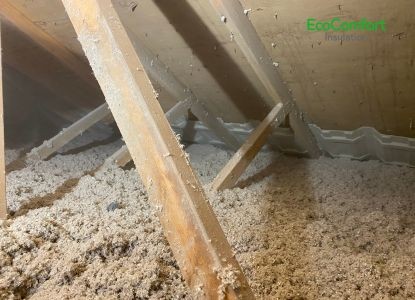
Why Does Attic Insulation Get Wet and What Should You Do About It?
Wet attic insulation usually means moisture is entering the attic from a roof leak, condensation, indoor air leakage, or improperly vented exhaust. The first priority is finding that source rather...
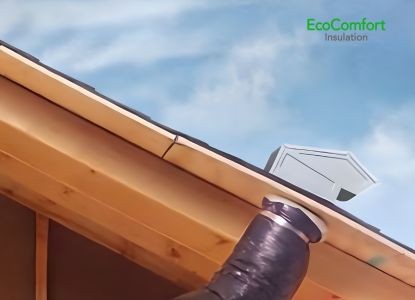
What Is the Best Way to Vent Your Attic
The best way to vent your attic is to create balanced airflow, with intake vents bringing outdoor air into the lower part of the roof and exhaust vents allowing warm, humid air to leave higher up. The...