
Your Attic Experts.
categories
SHARE
Wet attic insulation usually means moisture is entering the attic from a roof leak, condensation, indoor air leakage, or improperly vented exhaust. The first priority is finding that source rather than simply adding dry insulation over the affected area. In more severe situations, attic insulation removal may be necessary when material is saturated, contaminated, damaged, or no longer performing as intended. What happens next depends on how your attic insulation became wet and what condition it is in.
For reliable, comprehensive, and high-quality attic insulation in Vaughan and throughout the Greater Toronto Area, contact your local attic experts at EcoComfort.
Water in an attic can come from above or below.
A damaged roof, failed flashing, or a leak around a roof penetration can allow rain or melting snow to enter from outside. These problems often create a more localized wet area, although water can travel along framing before it becomes visible.
Condensation works differently.
Warm, moisture-laden air from the home can enter a cold attic through gaps around plumbing, wiring, light fixtures, attic hatches, and other penetrations. When that warm air reaches cold roof sheathing, moisture can condense.
Bathroom or kitchen exhaust ducts terminating in the attic can add even more moisture.
Until the source is identified, replacing wet insulation risks repeating the same problem.
The location and condition of the insulation can provide useful clues.
A small wet area directly below a roof penetration may point toward water entering from above. Dampness around an exhaust duct deserves a closer look at where that duct terminates and whether its connections are secure.
Widespread moisture, frost, or condensation on the underside of the roof deck may suggest a broader humidity, air-sealing, or ventilation issue.
Homeowners can visually check accessible areas, but avoid walking across uncovered ceiling areas or disturbing material you cannot safely reach.
A minor moisture event and prolonged saturation are very different situations.
The type of insulation, amount of water, length of exposure, contamination, and physical condition of the material all influence whether it can remain.
Insulation that has become compressed, heavily saturated, contaminated, or affected by mould or pests may no longer be appropriate to leave in place. Wet material can also conceal staining or deterioration on the ceiling surface or framing below it.
This is where attic insulation removal may become part of the repair rather than simply waiting for the attic to dry.
One of the biggest mistakes is treating low or damaged insulation as an isolated problem.
If water is still entering through the roof, humid household air is still leaking into the attic, or an exhaust fan is still discharging there, topping up the insulation does not correct the cause.
The affected area should first be assessed so the moisture source can be addressed and damaged material dealt with appropriately.
If you are also seeing condensation or frost in the attic, our guide to attic ventilation problems can help explain why moisture control and insulation performance are closely connected.
Once the source has been corrected, the attic can be evaluated for insulation depth, coverage, air leakage, and ventilation.
This is the right time to determine whether insulation needs to be replaced, topped up, or left alone. It also prevents new material from being installed over an unresolved problem.
At EcoComfort Insulators, we look at why attic insulation became wet before recommending the next step. Removing damaged material may be necessary in some attics, while others need a more targeted correction. Either way, solving the moisture problem first gives the insulation a better chance to perform as intended.

Book an Attic Inspection Today by Calling 416-333-4554.

Why Is One Room Still Cold After You Upgrade Your Attic Insulation?
If one room stays cold after an attic insulation upgrade, the insulation itself may not be the problem. That room could have air leaks, poor duct airflow, an under-insulated section, or exterior walls...
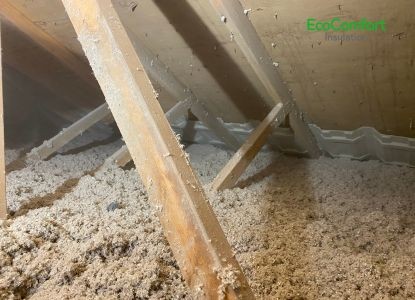
Why Does Attic Insulation Get Wet and What Should You Do About It?
Wet attic insulation usually means moisture is entering the attic from a roof leak, condensation, indoor air leakage, or improperly vented exhaust. The first priority is finding that source rather...
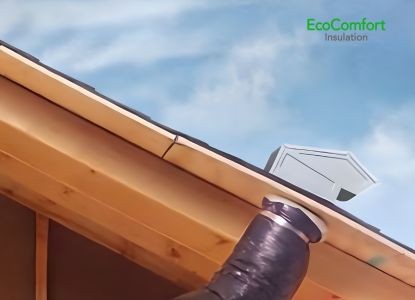
What Is the Best Way to Vent Your Attic
The best way to vent your attic is to create balanced airflow, with intake vents bringing outdoor air into the lower part of the roof and exhaust vents allowing warm, humid air to leave higher up. The...