
Your Attic Experts.
categories
SHARE
Mould in your attic does not automatically mean that the air throughout your home is contaminated, but it can contribute to indoor air quality concerns when air moves between the attic and living spaces. Unsealed attic hatches, plumbing penetrations, electrical openings, and recessed lighting can create pathways for air movement. Leaking ductwork in the attic may also contribute to the exchange of air.
At EcoComfort, our attic mould remediation services address existing growth while investigating conditions that encourage its development. Depending on the extent of moisture damage and contamination, attic insulation removal may also be necessary before upgrading to high-quality blown-in attic insulation Toronto.
Although your attic may appear physically separated from the rest of your home, gaps within the ceiling assembly can allow air to travel between these spaces.
Unsealed attic hatches, plumbing penetrations, electrical openings, and recessed lighting can create pathways for air movement. Leaking ductwork in the attic may also contribute to the exchange of air.
During colder months, the stack effect typically causes warm indoor air to move upwards and escape through openings near the top of the building. However, wind, mechanical ventilation, and changing pressure conditions can influence both the direction and volume of airflow.
Where air moves from a contaminated attic into occupied rooms, mould spores, fragments, dust, and musty odours may travel with it.
The extent to which attic mould affects indoor air quality therefore depends on the building's construction, airflow patterns, and the location and severity of contamination.
Many homeowners discover attic mould unexpectedly during a home inspection, roofing project, or insulation upgrade. The affected growth may have developed over several months without producing noticeable odours inside the home.
This is one reason why the absence of a musty smell should not be considered evidence that your attic is free from moisture or mould problems.
Conversely, persistent indoor odours do not necessarily mean your attic is responsible. Damp basements, plumbing leaks, and inadequate ventilation elsewhere in the home can produce similar concerns.
According to Health Canada, exposure to indoor mould and damp conditions is associated with respiratory irritation, coughing, and worsening asthma symptoms in some individuals.
A building assessment can help identify environmental problems, but it cannot determine whether attic mould is responsible for an individual's medical symptoms.
Mould growth on roof sheathing and rafters is often evidence of an underlying moisture imbalance. Inadequate ventilation, household air leakage, improperly routed bathroom exhaust ducts, and roof leaks can all contribute to excess attic moisture.
Treating the visible growth without addressing these conditions leaves the attic vulnerable to recurrence.
At EcoComfort, our approach to attic mould remediation considers both the affected materials and the environment surrounding them. We assess the attic's insulation, ventilation, and visible moisture conditions to identify improvements that can help prevent future problems.
Appropriate air sealing is particularly important because it helps limit moisture entering the attic from your living spaces while reducing unwanted air exchange between these areas.
Not every attic mould problem requires complete insulation replacement. If growth is confined to roof sheathing and existing insulation remains dry and uncontaminated, retaining the insulation may be appropriate following a professional assessment.
However, insulation that has become wet, contaminated, or significantly deteriorated may require removal. Simply covering compromised material with new insulation can conceal rather than resolve the problem.
Our attic insulation removal services use specialized vacuum equipment to extract suitable existing materials. Once the affected space has been addressed, we can complete the necessary air sealing and ventilation improvements before installing replacement insulation.
Our preferred blown-in cellulose insulation is manufactured from recycled paper fibres and treated to resist mould growth and fire. Although no insulation substitutes for effective moisture management, professionally installed cellulose provides reliable thermal coverage when supported by a properly functioning attic system.
At EcoComfort, we believe lasting attic improvements require insulation, air sealing, ventilation, and moisture management to work together.
Since 2010, our family-owned company has helped improve more than 30,000 attics throughout Toronto, Mississauga, Vaughan, Oakville, Burlington, and the Greater Toronto Area.
Whether you have discovered visible mould or suspect that deteriorating insulation is contributing to concerns within your home, our team can assess your attic and recommend appropriate remediation and upgrades with blown-in insulation in Toronto.
Contact EcoComfort to book your complimentary attic assessment.

Book an Attic Inspection Today by Calling 416-333-4554.
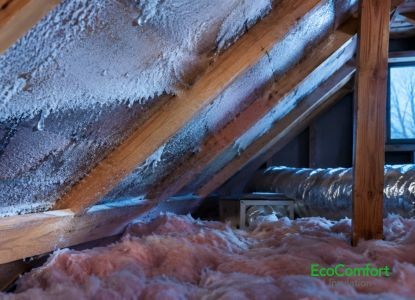
Why Frost in Your Attic Is a Sign of Trouble
Frost on the underside of your roof is a warning sign that excess moisture is accumulating inside your attic. While improving attic ventilation and installing rafter vents can help address airflow...
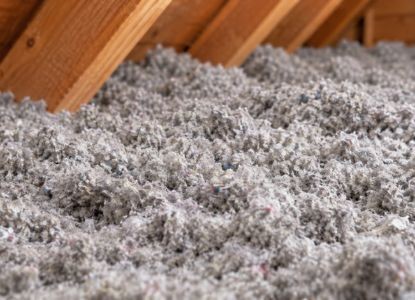
How Often Should You Check on Your Attic Insulation?
Homeowners should check for signs of attic insulation problems at least once a year and arrange a professional assessment whenever changes in indoor comfort, energy consumption, or moisture conditions...
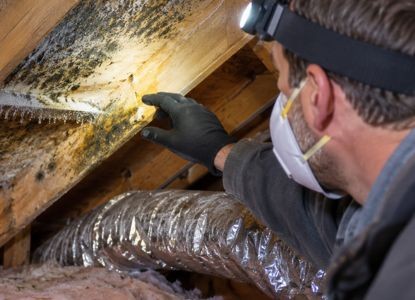
Does Mould in Your Attic Mean Poor Air Quality?
Mould in your attic does not automatically mean that the air throughout your home is contaminated, but it can contribute to indoor air quality concerns when air moves between the attic and living...