
Your Attic Experts.
categories
SHARE
Excessive moisture is the enemy of attics. When moisture, either from a leak or elsewhere in your home, infiltrates the attic, it can put your insulation, indoor air quality, and attic health at risk of mould, strong odours, drafty rooms, and poor indoor quality. Keeping your attic insulation in good condition and recognizing when attic insulation removal or upgrades are required is essential for better energy efficiency and preserving your attic. New blown-in insulation in Mississauga with the experts at EcoComfort can make all the difference, extending the lifespan of your insulation, attic, and home.
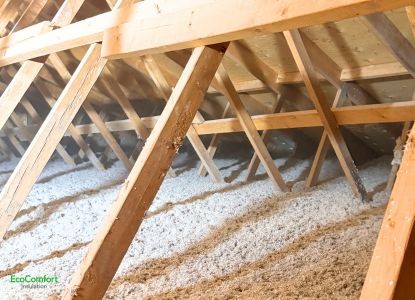
.jpg "blown in insulation mississauga") Humidity issues in attics often stem from uneven temperatures, air leaks, or insufficient insulation. Proper insulation acts as a barrier, regulating temperature and airflow. When your attic is well insulated by experts like the EcoComfort Insulators, the chances of condensation and moisture accumulation are significantly reduced.
Humidity issues in attics often stem from uneven temperatures, air leaks, or insufficient insulation. Proper insulation acts as a barrier, regulating temperature and airflow. When your attic is well insulated by experts like the EcoComfort Insulators, the chances of condensation and moisture accumulation are significantly reduced.
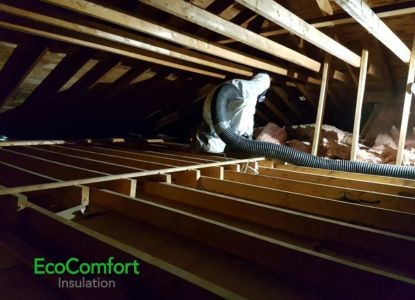
Small gaps and cracks in the attic are common entry points for warm, moist air. As this air moves into a cooler attic space, it condenses, increasing humidity and the risk of mould growth. Installing blown-in insulation is an effective way to fill these gaps more completely than many traditional insulation methods. At EcoComfort, we use loose-fill cellulose blown-in insulation that is installed strategically to cover tight spaces and hard-to-reach areas, creating a more continuous and protective layer.
Moisture and warmth create the perfect environment for mould. Over time, mould spores can damage insulation, rafters, and drywall. High-quality cellulose insulation contains properties that help resist mould growth, making it less likely for the attic environment to become a breeding ground for spores. When existing insulation is damaged, attic insulation removal is the first step to eliminating contamination and allowing for a fresh installation that keeps the attic drier.
Another common source of attic moisture is ice damming in winter. When warm air escapes through the roof, it can melt snow that refreezes at the edges, creating dams that cause water to back up under shingles and seep into the attic. Adequate insulation levels help keep attic temperatures stable, reducing the chance of these ice dams forming and limiting water intrusion that can lead to elevated humidity.
Humidity problems in the attic are best addressed with a combination of insulation and other supporting measures. For the best options for your attic and home, book a comprehensive attic inspection with EcoComfort.
Even with excellent insulation, attics need proper airflow. Adequate ventilation helps expel moist air, lowering humidity levels year-round. Adding or upgrading vents ensures that excess heat and moisture don’t get trapped, helping your insulation work more effectively.
While ventilation prevents air from becoming stagnant, insulation creates the barrier needed to keep outside temperatures and moisture from creeping in. Working with our team of insulation specialists ensures your attic has the right amount and type of insulation to keep indoor temperatures balanced and humidity controlled.
Addressing attic humidity starts with evaluating the condition of your current insulation. A professional attic inspection will determine if factors such as damaged or ineffective attic insulation, removal, and installation of fresh blown-in insulation can provide long-term protection and performance in your attic. We also provide attic roof leak repairs and attic mould remediation to restore your attic space.
For high-quality solutions that improve energy efficiency and reduce the risk of mould growth, contact the EcoComfort team.

Book an Attic Inspection Today by Calling 416-333-4554.

Signs Your Bathroom Exhausts Are Venting to Your Attic
Bathroom exhaust fans are supposed to move warm, humid air outdoors, not into your attic. When bathroom air is vented into the attic, moisture can collect on roof sheathing, ducts, rafters, and attic...
How Ontario Energy Rebates Can Make Blown-In Attic Insulation More Affordable
Ontario energy rebates can make attic upgrades more affordable by helping eligible homeowners reduce the upfront cost of improving home efficiency. The Home Renovations Savings Rebate in Ontario,...
How to Know If Your Attic Insulation Needs an Upgrade
Your attic insulation may need attention if your home has uneven temperatures, rising energy use, drafts, ice dams, or insulation that appears thin, compressed, wet, or contaminated. Because...